Community Services & Parks Fee

Factual Information about the fee adopted by the City Council.

Community Service Fee

11.50

/month

Parks Fee

8.15

/month

= Combined Fee

19.65

/month

Public Safety Fee Reduction

-7.00

/month

= Net Monthly Change

12.65

/month

Community Service Fee

11.50

/month

Parks Fee

8.15

/month

= Combined Fee

19.65

/month

Public Safety Fee Reduction

-7.00

/month

= Net Monthly Increase

12.65

/month

The Facts

The FY 2026-27 budget addresses a long-standing structural imbalance between ongoing General Fund revenues and the cost of providing City services. Over the three fiscal years preceding adoption of the FY 2026-27 budget, the city reduced expenditures in an effort to close this budget gap by eliminating or leaving vacant 11 positions and reducing service levels in multiple departments.

On June 9, 2026, the City Council adopted the FY 2026-27 budget, which incorporates revenue from the Community Services and Parks Fee to fund library, museum, and parks services. On June 23, 2026, the Council adopted the ordinance establishing the fee. The adopted budget relies on this revenue to fund the ongoing operation of library, museum, and parks services at the budgeted service levels.

Quick Links

How Did We Get Here
Where Do Your Property Taxes Go
How is the City Funded
How is the Fee Calculated
What Has the City Done to Reduce Spending
Frequently Asked Questions

How Did We Get Here?

Historically, the General Fund relied on transfers from other City funds. As those transfers were reduced or eliminated to align with current budgeting practices, it became clear that there was a long-standing gap between ongoing General Fund revenues and the cost of providing City services.

In addition, several other factors have contributed to this challenge, including:

  • Oregon’s property tax system established through Measures 5 and 50, which limits the growth of property tax revenues available to local governments.
  • Inflation and rising costs for labor, materials, utilities, insurance, maintenance, and contracted services.
  • Increasing costs to provide City services.

Historically, the General Fund relied on transfers from other City funds. As those transfers were reduced or eliminated to align with current budgeting practices, it became clear that there was a long-standing gap between ongoing General Fund revenues and the cost of providing City services.

In addition, several other factors have contributed to this challenge, including:

  • Oregon’s property tax system established through Measures 5 and 50, which limits the growth of property tax revenues available to local governments.
  • Inflation and rising costs for labor, materials, utilities, insurance, maintenance, and contracted services.
  • Increasing costs to provide City services.

Where Do Your Property Taxes Go?

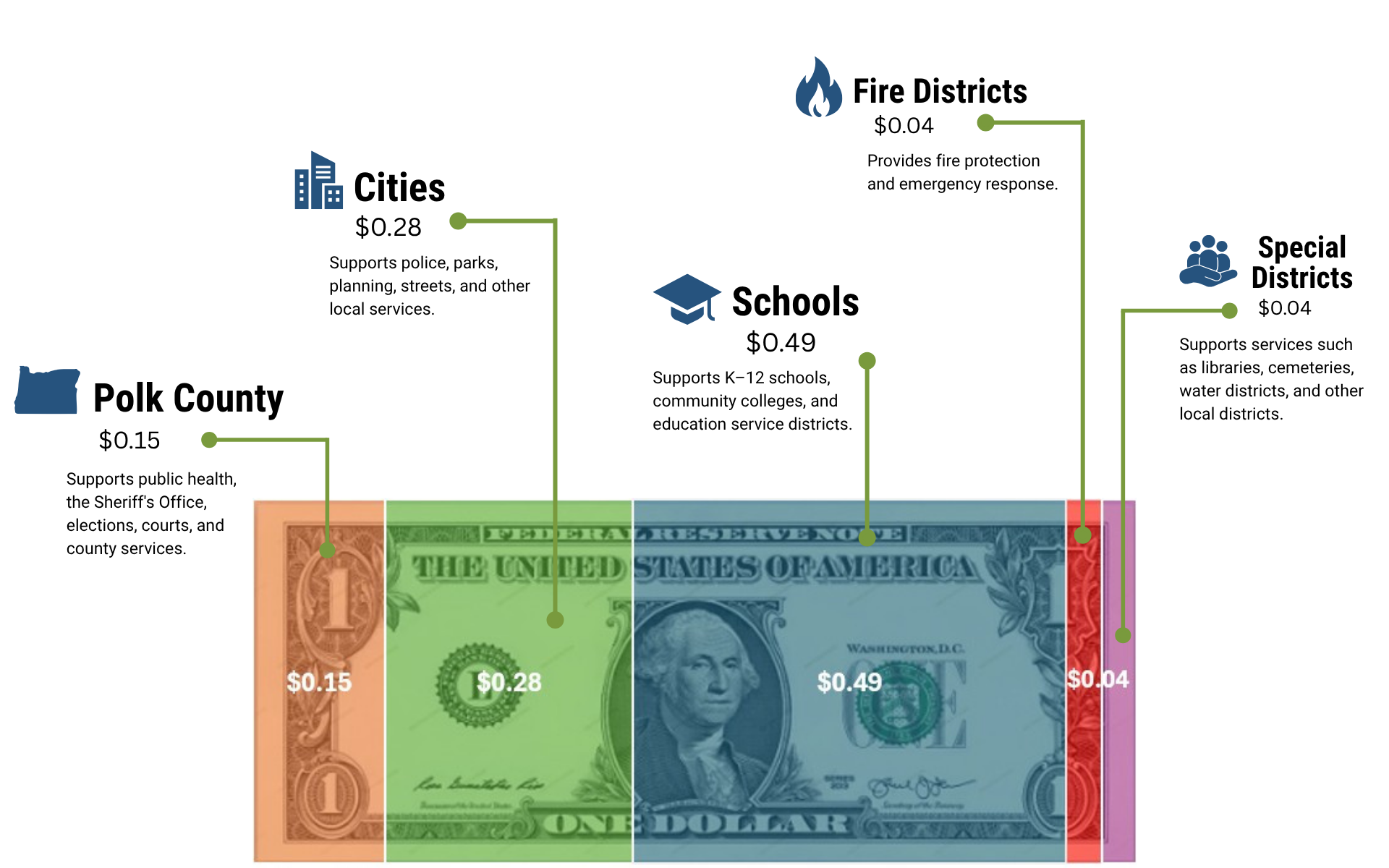
Property taxes are shared among several local governments that provide different public services, including schools, the county, fire and other special districts, and the City.

The City of Independence receives one share of the total property taxes collected.  The chart shows how property taxes paid within the City are distributed among the local taxing districts.
How is the City Funded?

Property Taxes

Help pay for general City services but are only one source of City funding.

Utility Fees

Pay for water, sewer, and stormwater services.

Permits & Service Fees

Help cover the cost of permits and other City services.

State Shared Revenue

Revenue shared by the State to help fund local government services.

Grants

Fund specific projects or programs.  Most cannot be used for day-to-day operations.

Franchise Fees

Paid by utility companies for the use of City rights-of-way.

Why Can’t the City use Water, Sewer, or Stormwater Money for the General Fund?

Your utility bill includes charges for water, sewer, and stormwater services.

Those fees are accounted for in separate enterprise funds and are not interchangeable with General Fund revenues.

They are dedicated to operating, maintaining, and improving the utility systems they support.
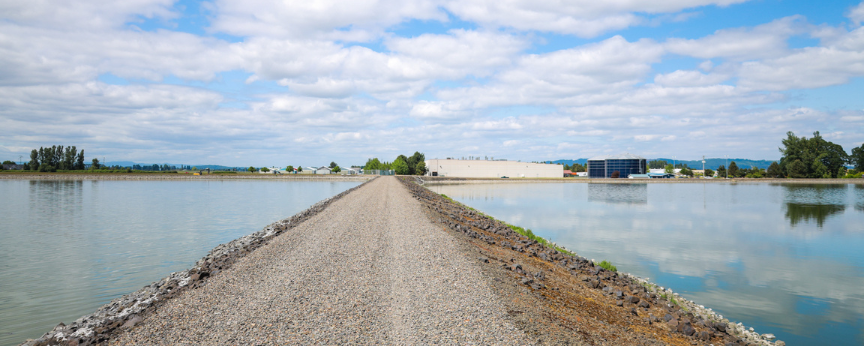
wastewater treatment plan in independence

Here are a few examples:

Water Fees

Operating, maintaining, and improving the water system.

Sewer Fees

Sewer collection, treatment, and infrastructure improvements.

Stormwater Fees

Storm drainage, flood prevention, and water quality.

Public Safety Fee

Police, emergency response, and public safety services.

Transportation Funds

Streets, sidewalks, signals, and transportation improvements.

Grant Funding

Can only be used for the project identified in the grant agreement.

How Will the Fee be Used?

The Community Services and Parks Fee provides funding for the following services:
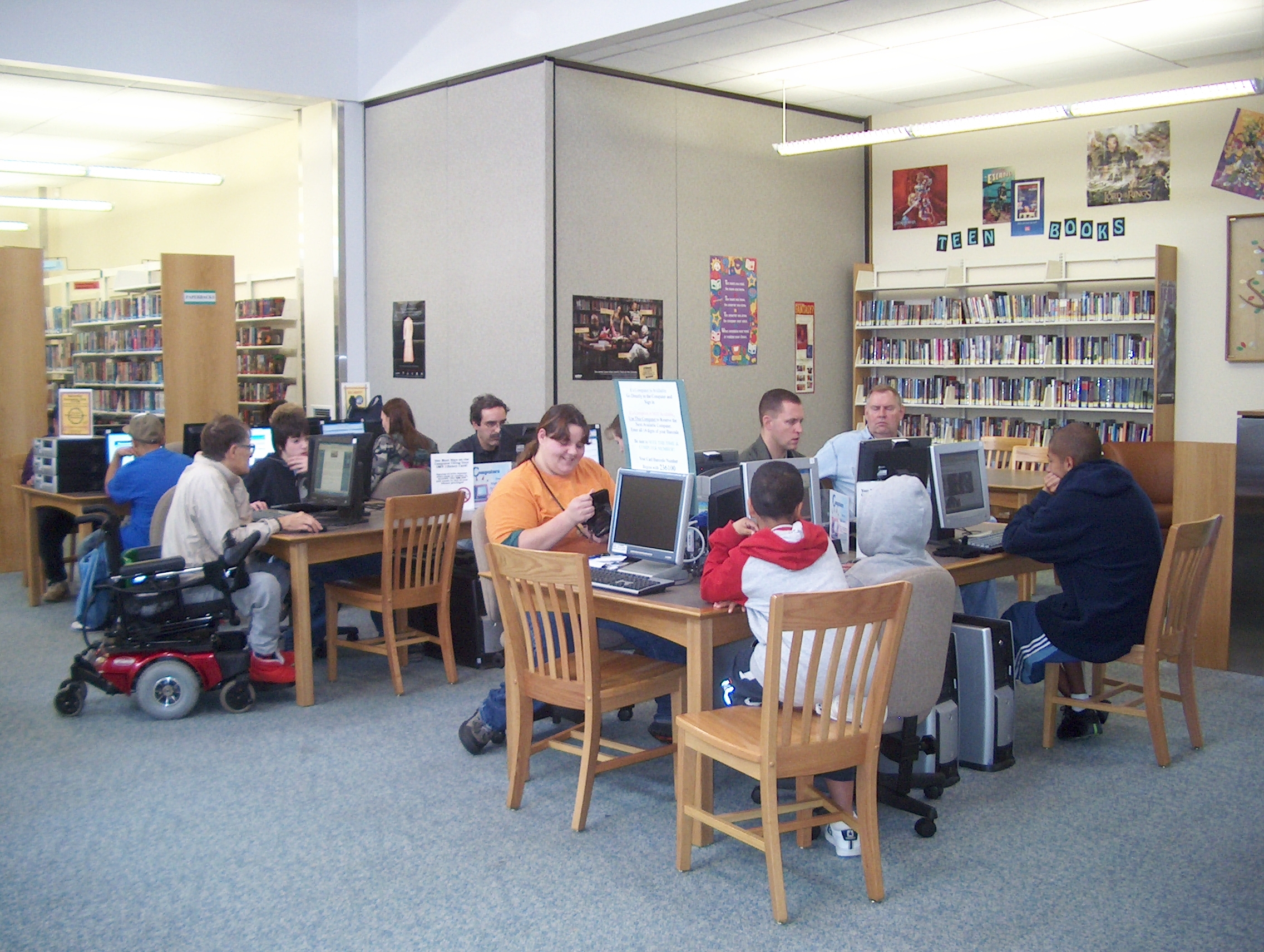
Community Services

  • Public Computer & Internet Access
  • Children’s & Adults Programming
  • Collection Materials & Lending Services
  • Educational Programming
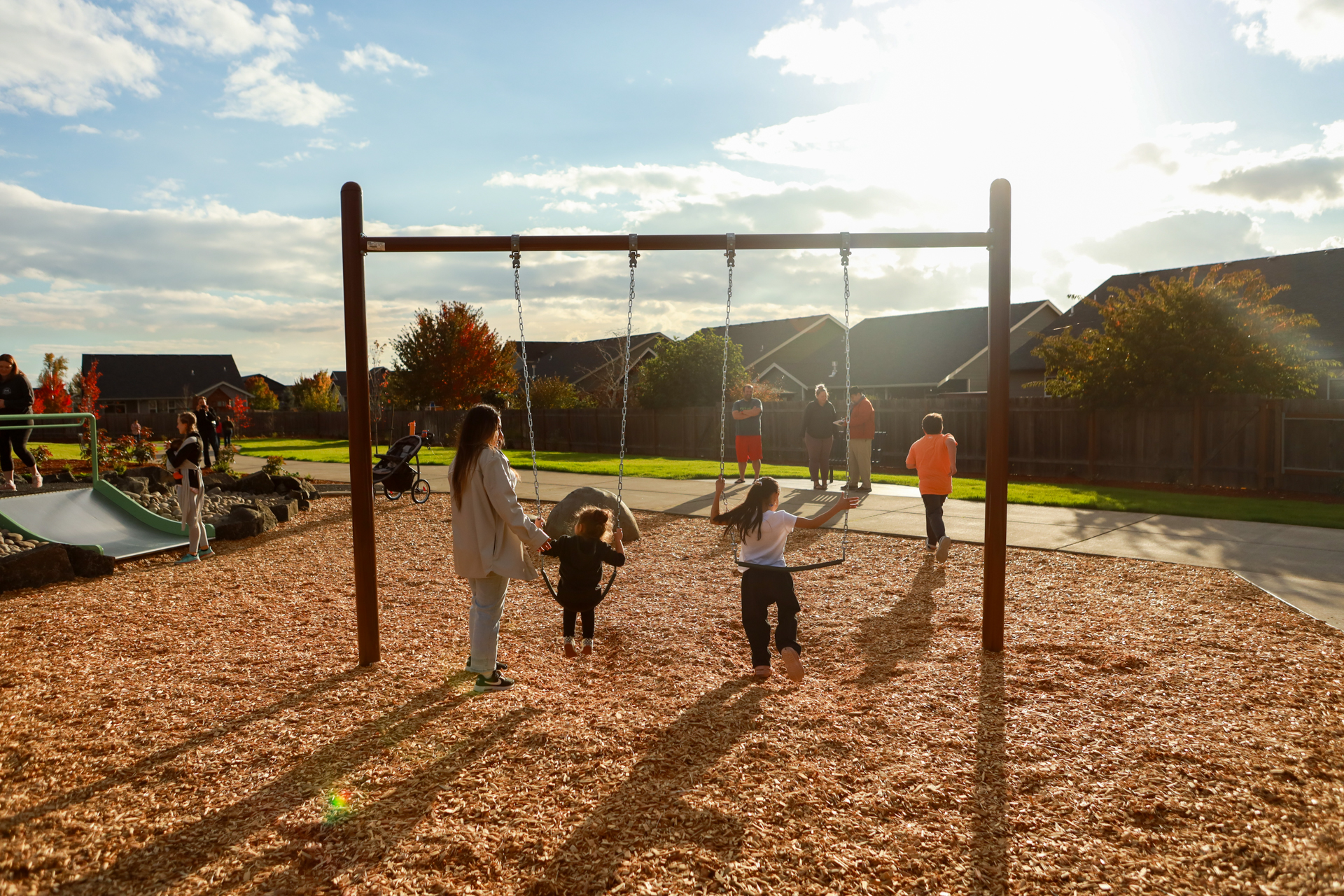
Kids playing on a swing set at the park.

Parks

  • Playgrounds
  • Trails
  • Restrooms
  • Landscaping & Open Spaces

How is the Fee Calculated?

The Community Services and Parks Fee has two parts, one for library and museum services and one for parks.

At the same time, the Public Safety Fee is being reduced resulting in the net monthly change shown.
Community Services Fee

$11.50 /month

Funds Library and Heritage Museum Services

Parks Fee

$8.15 /month

Funds Parks, trails, and restrooms

= Combined Fee

$19.65 /month

Public Safety Fee Reduction

-$7.00 /month

(from $17.00 to $10.00 beginning 7/1/26)

= Net Monthly Change

$12.65 /month

How is this Different from the 2024 Levy?

Community members have asked how the Community Services and Parks Fee compares with the 2024 levy proposal.  The comparison below shows the estimated annual cost of each:

Est. 2024 Levy Cost

$638.26

per year

Community Services and Parks Fee (Est. Annual Cost)

$235.80

per year

This comparison reflects only the Community Services and Parks Fee.  It does not include the Public Safety Fee because that fee was not part of the 2024 levy proposal.

  • The proposed fee would appear as a dedicated line item on utility bills.
  • Fee revenue would only be used to support Community Services and Parks.

How is this Different from the 2024 Levy?

Community members have asked how the Community Services and Parks Fee compares with the 2024 levy proposal.  The comparison below shows the estimates annual cost of each:

Est. 2024 Levy Cost

$638.26

per year

Community Services and Parks Fee (Est. Annual Cost).

$235.80

per year

This comparison reflects only the Community Services and Parks Fee.  It does not include the Public Safety Fee because that fee was not part of the 2024 levy proposal.

  • The proposed fee would appear as a dedicated line item on utility bills.
  • Fee revenue would only be used to support Community Services and Parks.

What Has the City Done to Reduce Spending?

Over the past three fiscal years, the City has worked to reduce spending in a number of ways.

Positions have been eliminated or left vacant, service levels have been reduced in several departments, and staff have continued looking for ways to operate more efficiently.

Since 2023, the City has eliminated or left vacant a total of 11 positions and reduced service levels in several departments.  These changes reduced expenditures, but they weren’t enough to close the budget gap.

  • Eliminated or left vacant 11 positions

  • Reduced service levels in several departments

  • Staff continues to look for ways to operate more efficiently

Why will the Fee go on my Utility Bill?

Your monthly utility bill includes charges for several City services including water, sewer, stormwater, and the Public Safety Fee.

The Community Services and Parks Fee would be included on this utility bill.  Combining these charges on one monthly bill is more convenient for customers and helps reduce the cost of printing, mailing, and processing separate bills.

The fees appear on the utility bill for billing purposes only.  It does not change how the revenue is accounted for or used.
Why will the Fee go on my Utility Bill?

Your monthly utility bill includes charges for several City services including water, sewer, stormwater, and the Public Safety Fee.

The Community Services and Parks Fee would be included on this utility bill.  Combining these charges on one monthly bill is more convenient for customers and helps reduce the cost of printing, mailing, and processing separate bills.

The fees appear on the utility bill for billing purposes only.  It does not change how the revenue is accounted for or used.

Frequently Asked Questions

Have a question? We’ve compiled answers to some of the most common questions about City finances and the Community Services & Parks Fee.

This information is intended to help community members better understand how City funding works and how it would affect our community.

Understanding City Finances

The FY 2026-27 budget was developed in response to a long-standing gap between ongoing General Fund revenues and the cost of providing City services. Over the past three fiscal years, the City reduced spending by eliminating or leaving vacant positions and reducing service levels in several departments. While those efforts helped reduce expenditures, they weren’t enough to close the budget gap.

On June 9, 2026, the City Council adopted the FY 2026-27 budget, which includes revenue from the Community Services and Parks Fee to fund library, museum, and parks services. On June 23, 2026, the Council adopted the ordinance establishing the fee.

The General Fund is the City’s primary operating fund. It helps pay for many day-to-day services that residents rely on, including administration, planning, parks, police, the library, municipal court, and other general government services.

Some City services, such as water, sewer, and stormwater utilities, operate through separate funds and are not paid for by the General Fund.

Property taxes are an important source of City revenue, but they are only one part of the City’s overall budget. Oregon’s property tax system limits how much property tax revenue can grow each year, while the costs of providing public services—including labor, utilities, insurance, fuel, materials, and maintenance—continue to increase.

As a result, property tax revenue does not keep pace with the cost of providing services.

Measures 5 and 50 are amendments to the Oregon Constitution that changed how property taxes are calculated.

Measure 5 limits the amount of property taxes that can be collected for certain government services.

Measure 50 established Maximum Assessed Value and generally limits annual growth in assessed value to 3 percent, regardless of changes in market value.

Together, these measures help limit property tax increases but also limit the growth of revenue available to local governments.

Cities rely on several different revenue sources to provide services.

These include:

  • Property taxes
  • Utility fees
  • Permits and service fees
  • State shared revenue
  • Grants
  • Franchise fees
  • Donations and partnerships

Each revenue source serves a different purpose, and many can only be used for specific services.

Property Taxes & City Revenue

No.

Property taxes are distributed among several local governments, including schools, cities, Polk County, fire districts, and special districts. The City of Independence receives only one portion of every property tax dollar collected.

Taxes generally help fund a variety of public services that benefit the community.

Fees are charged to help recover the cost of providing a specific service.

Utility charges pay for operating, maintaining, and improving water, sewer, and stormwater systems.

Each funding source has a different purpose and may be governed by different legal requirements.

Your utility bill includes charges for water, sewer, and stormwater services. Those fees are accounted for in separate enterprise funds and are not interchangeable with General Fund revenues.

The same is true for many other types of City funding. Grants, transportation funds, and other restricted revenues are collected or received for specific purposes and are used to support only those programs or services.

A restricted fund is money that can only be used for a specific purpose—like enterprise funds.

If you live inside the city limits of Independence in Polk County, only $0.28 of each dollar you pay in property taxes goes toward City of Independence services. The remaining $0.72 goes to Polk County, Fire District,  Public Schools, and other small agencies.  The City’s portion of property taxes does not cover the services currently provided.

As new development occurs, the City receives increased property tax revenue. However, due to Measures 5 and 50, the increases are nominal.

In calculating a new development’s property tax allocation, the state identifies the real market value based on the construction and land costs, then applies a change property ratio as determined in State law to obtain an assessed value.  The property taxes are calculated based on this lower rate.

Then, the property taxes are distributed to the different taxing agencies, for which the City of Independence receives 0.28 cents per dollar of property tax collected in city limits.

Community Services & Parks Fee

The Community Services and Parks Fee provides dedicated funding for Community Services and Parks included in the FY 2026-27 budget.

Services funded through the fee include:

  • Independence Public Library
  • Independence Heritage Museum
  • Parks and playgrounds
  • Public park restrooms
  • Trails and pathways
  • Community spaces
  • Community events
  • Maintenance of these facilities and amenities

No.

Revenue from the Community Services & Parks Fee would be dedicated to supporting Community Services and Parks.

The fee would appear as a separate line item on the monthly utility bill.

This allows residents to clearly see the amount being collected and the purpose of the fee.

The fee includes:

  • Community Services Fee: $11.50 per month
  • Parks Fee: $8.15 per month

Combined, the fee would total $19.65 per month.

At the same time, the existing Public Safety Fee decreases by $7.00 per month, resulting in a net monthly change of $12.65.

The fee would be assessed through City utility accounts.

The City Services Fee is incorporated as a part of your utility bill.  The City will continue to follow its existing procedures for delinquent payments of utility bills.

The fee will increase based on the annual West Region Consumer Price Index which is generally based on inflation.

The City Council will continue to review the Fee as part of the annual budget process.

Over time, reductions in the City’s long-term debt are expected to improve the General Fund’s financial position.  The City will also continue looking for efficiencies and other revenue opportunities that could help reduce reliance on the fee.

At the same time, it is too early to know what future funding needs will be. If other revenue sources are not available or financial improvements are not enough to fully address the budget gap, some level of dedicated funding for community services and parks may still be needed.

Your current City utility bill contains charges for water, wastewater (sewer), and stormwater services. These are referred to as enterprise funds and are not interchangeable with General Fund revenues.

Your monthly utility bill includes charges for several City services including water, sewer, stormwater, and the Public Safety Fee.

The Community Services and Parks Fee would be included on this utility bill.  Combining these charges on one monthly bill is more convenient for customers and helps reduce the cost of printing, mailing, and processing separate bills.

The fees appear on the utility bill for billing purposes only.  It does not change how the revenue is accounted for or used.

Paying for services you don’t use can feel frustrating; however, these services provide a range of benefits to the community as a whole:

  • Educational Resources: access to books, online resources, and educational programs that benefit students and lifelong learners.
  • Community Programs: events, workshops and activities that foster community engagement and support
  • Access to Technology: internet access and computer use, which is crucial for those who may not have these resources at home.
  • Support for Vulnerable Populations: serve as a safe place for children, seniors, and individuals in our community.

Even if you don’t use the library or museum personally, your contribution helps ensure these valuable resources are available to others in your community.  It is a way of supporting the overall well-being and development in the area you live in.

If adopted, the Community Services and Parks Fee is projected to generate approximately $938,600 in FY 2025-26, including:

  • Community Services: $548,300
  • Parks: $390,300

As the fee is adjusted for inflation over time, total annual revenue is projected to increase to approximately $1.2 million by FY 2030-31.

All revenue generated by the fee would be dedicated exclusively to Community Services and Parks and could not be used for other city services.

Budget & Decision Making

Before considering additional revenue, the City has taken several steps to reduce expenses.

These include eliminating or leaving positions unfilled, reducing service levels, delaying maintenance where possible, and continuing to look for operational efficiencies.

These efforts helped extend existing resources but did not eliminate the long-term funding gap.

Last year, the City used money from its contingency fund to help keep the Library, Museum, and Parks open while long-term funding options were being considered.
 
A contingency fund is like a savings account for emergencies or unexpected expenses. It’s there to help when something unexpected happens—not to pay for the same service year after year.
 
Think about using your savings to pay your monthly bills. Once you spend your savings, the money is gone. That’s what happened here. The City used those one-time funds to help pay for Library, Museum, and Parks operations last year, and those funds have now been spent.
 
Because those one-time funds are gone, they cannot be used again. If the Library, Museum, and Parks are to remain open, they need a source of funding that is available every year.
 

Each year, the City prepares a proposed budget based on anticipated revenues, operating costs, capital needs, and community priorities.

The proposed budget is reviewed by the Budget Committee, discussed during public meetings, and ultimately considered for adoption by the City Council.

Yes.

Budget Committee meetings and City Council meetings are open to the public. Residents are encouraged to attend meetings, review budget documents, and provide comments during public hearings.

Meeting information is available on the City’s website.

The City regularly monitors revenues and expenditures throughout the fiscal year.

Financial reports are reviewed by staff and the City Council to help ensure funds are being managed responsibly and in accordance with applicable laws and budget policies.

A significant amount of communities in Oregon uses some kind of fee to provide balanced and consistent funding beyond the limitations of current property tax assessments.

Looking Ahead

Future service levels will depend on available funding and future budget decisions.

If sufficient funding is not available, the City Council may consider additional expenditure reductions.

Those decisions could include changes to Community Services and Parks programs, facilities, maintenance, staffing, or service levels.

Oregon’s property tax system is governed by constitutional limits established through Measures 5 and 50.

Because of these limitations, cities generally cannot increase property tax revenue beyond those legal limits without voter-approved measures or other changes allowed under state law.

Still Have Questions?

We understand that City finances can be complex, and you may have questions that aren’t answered on this page.

City staff are happy to provide additional information, explain the budget process, or direct you to the appropriate resources.

Contact Us

Phone: 503-837-1174

Email: mrussell@ci.independence.or.us

Visit Us: 555 S. Main St.
Independence OR. 97351

Hours: Monday – Thursday
7:30 am – 5:30 pm